
 English
 Español
 Português
 Русский
 العربية
 Français
 Deutsch
 中文
中文 日本語
日本語 한국어
한국어Developing Médico Flow Control and Tube Conector Components

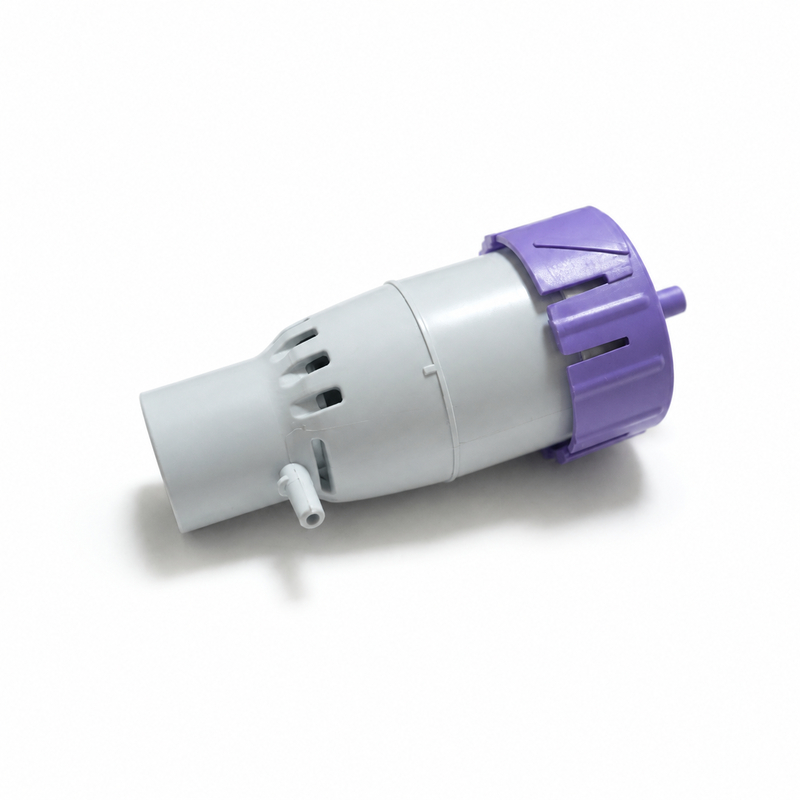
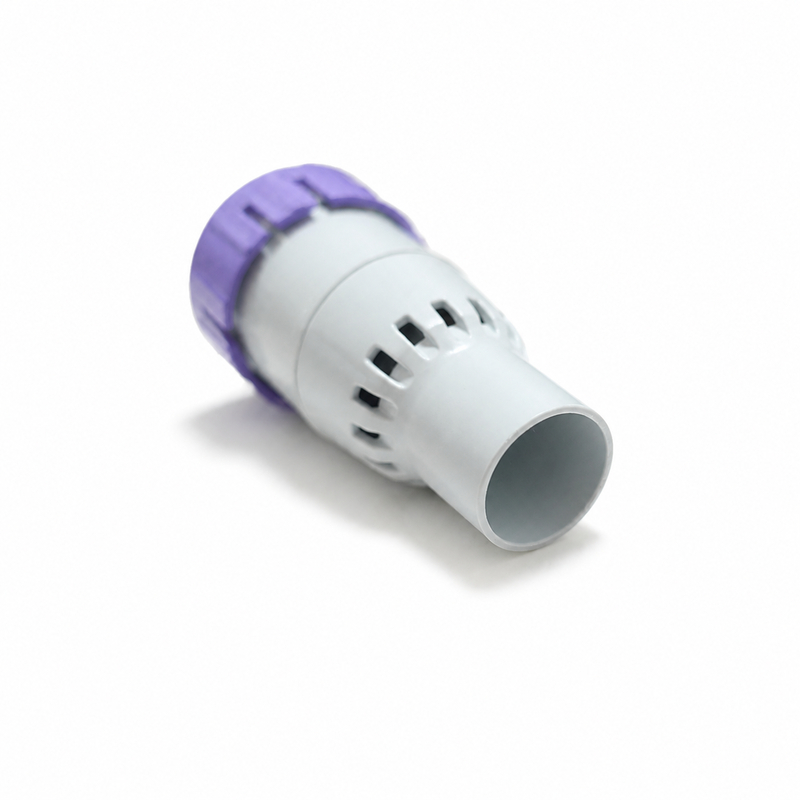
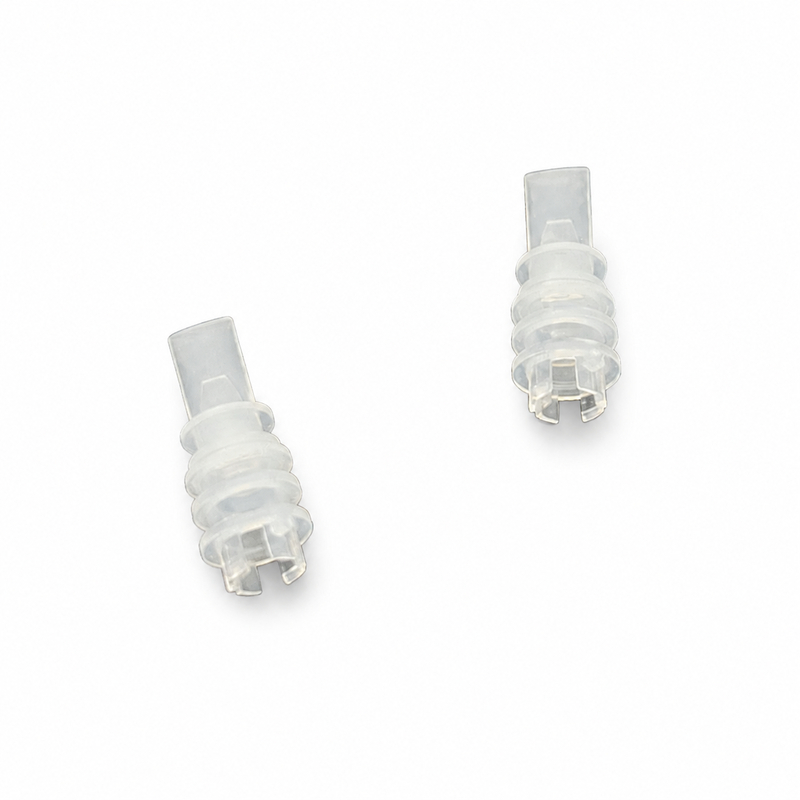
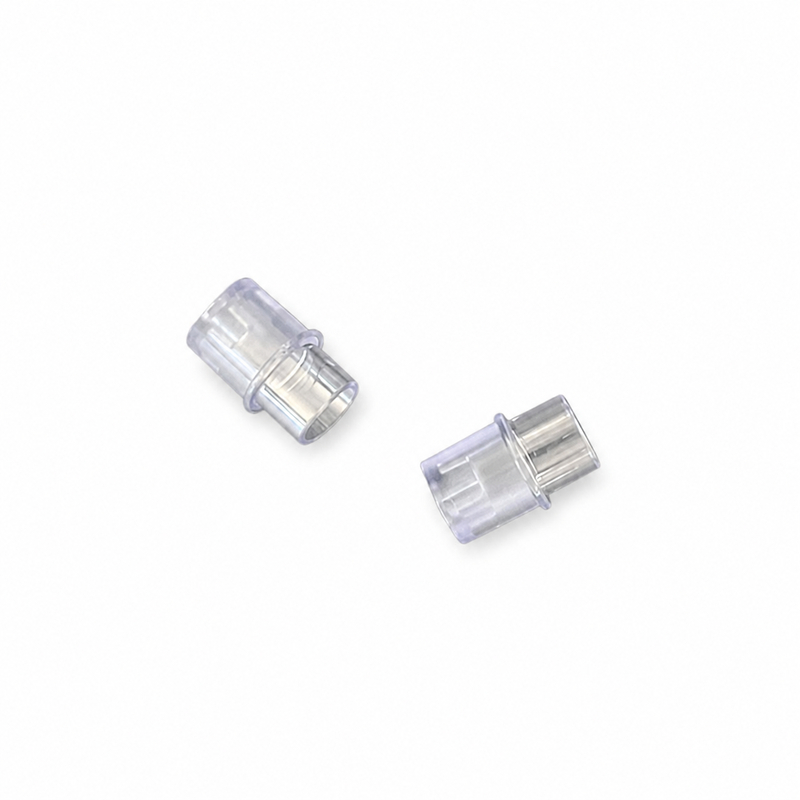
This manufacturing case covers injection moulded flow-control and tube-connector components used in respiratory circuits, fluid lines and compact medical assemblies. The photographed parts show several connector forms with internal passages, tube interfaces and sealing features that must be considered together during DFM and mould development.
The final application, resin, cleanliness, validation and regulatory requirements remain customer-defined. JingZhan develops the mould and production approach around those supplied requirements.
Flow Paths and Connection Interfaces
The first engineering review focuses on the internal flow path and every interface that connects the part to a tube, seal or adjoining component. Small changes to a barb, shoulder, radius or transition can affect mould filling, release and later assembly.
DFM for Barbs, Ports and Thin Sections
Tube barbs and compact ports may include thin edges, undercut risks and local wall-thickness changes. DFM checks draft, core access, steel conditions and the release direction before the tooling structure is finalized.
Gate and vent locations are planned to support complete filling while keeping moulding vestiges away from critical sealing and connection areas. Ejection is reviewed to reduce the risk of deformation around thin circular features.
Transparent Components and Surface Condition
Transparent connector parts make flow marks, contamination, flash and surface damage easier to see. The moulding plan therefore considers resin handling, cavity finish, venting and the surfaces used for visual or assembly inspection.
Sealing Geometry and Flash Control
Parting lines and shut-offs near a sealing surface require special attention. The mould structure is reviewed so that flash-sensitive edges can be produced and inspected consistently. Critical diameters, port geometry and mating features are identified for the trial and control plan.

From Trial Samples to Repeat Orders
Trial samples are checked against the supplied drawing and mating-part requirements. Dimensional, visual and assembly feedback is then used to refine tooling or process settings before repeat production. Project records help maintain the agreed configuration when further batches are required.
See the related medical flow-control and tube connectors, or send the engineering team your drawing and application requirements.
Vamos construir moldes de precisão juntos
Envie seus arquivos CAD ou compartilhe as especificações do seu produto. Nossa equipe de engenharia responderá com um orçamento detalhado em 24 horas.